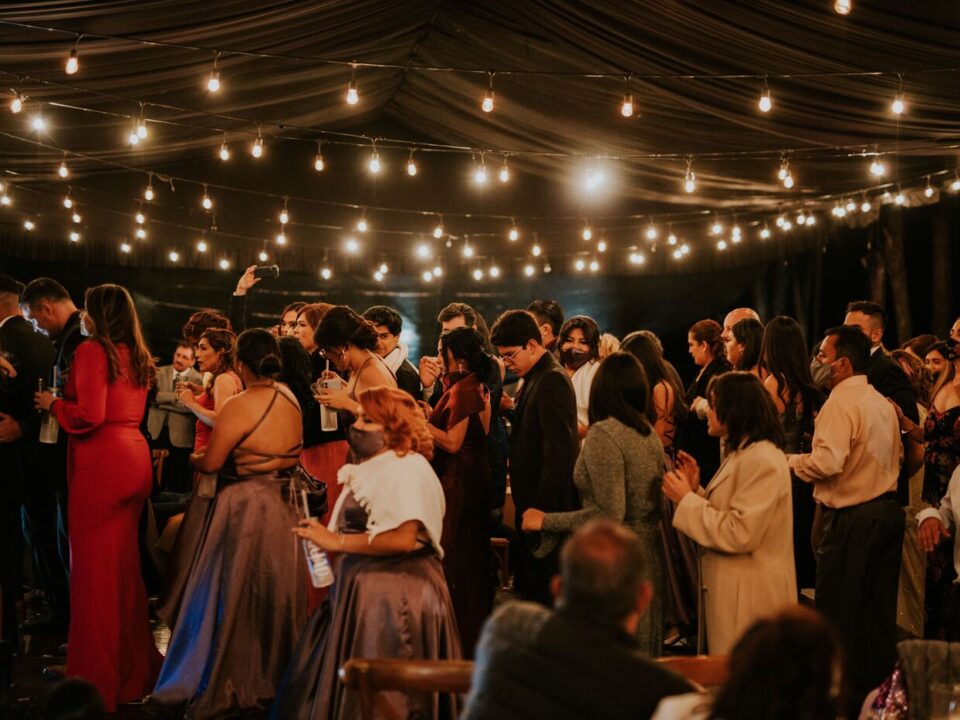
Retro Dance Fever: Mastering Moves from the Disco and Swing Eras
2025-10-16
Unlock the Booth: How to Train, Gear Up, and Gig as a Beginner DJ
2025-11-13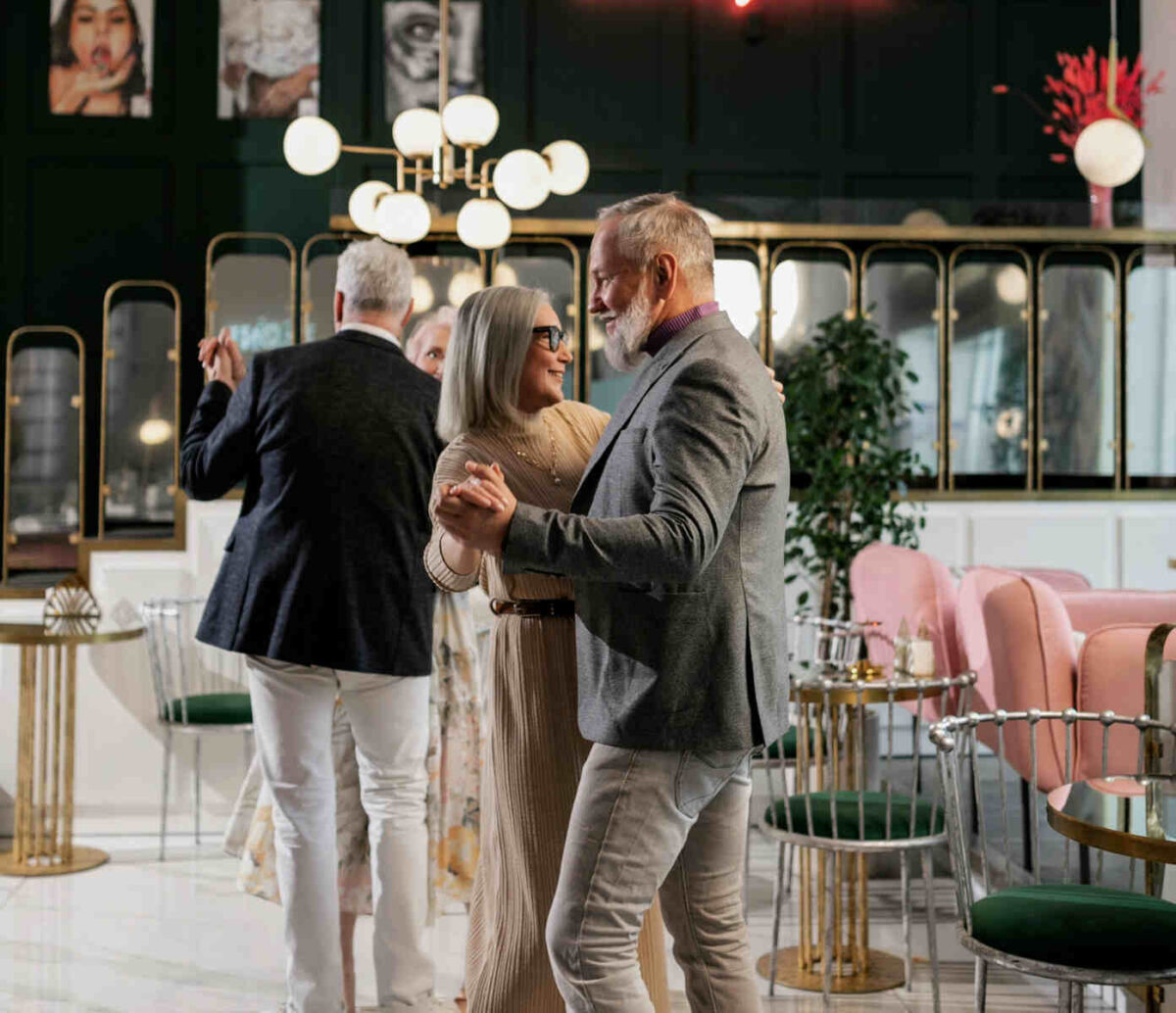
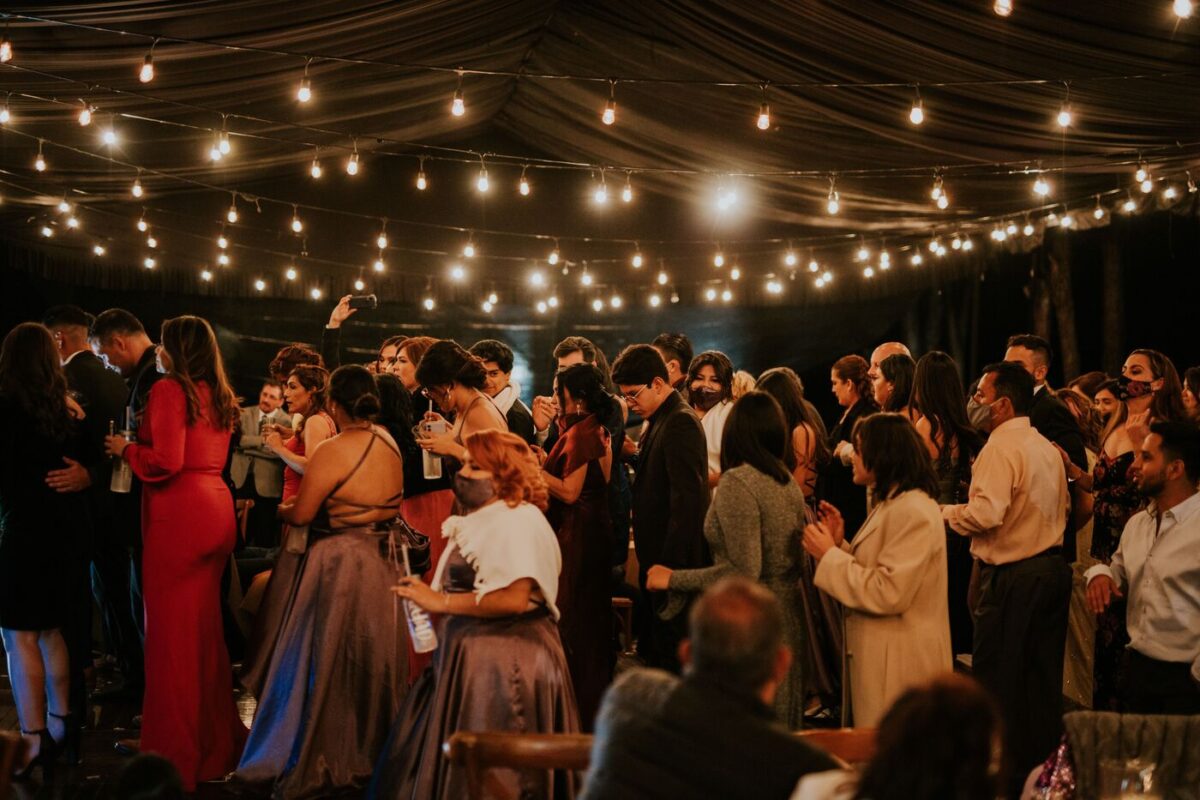
Slow dancing captures a timeless charm—a graceful blend of rhythm, connection, and subtle technique. Whether it’s a wedding waltz or a quiet dance at home, it’s about comfort, timing, and reading your partner’s movements to create effortless harmony. Learn how to sway and serenade your way across the floor with poise and emotion.
Finding the Right Posture and Frame
Good posture sets the tone for every slow dance. Stand tall but relaxed, shoulders back, and maintain gentle contact with your partner. The lead should guide with steady but light pressure, while the follow mirrors those cues. A secure frame helps both dancers move as one, even with small, simple steps. Practice shifting your weight smoothly to stay balanced without stepping on toes or losing rhythm.
Rhythm, Timing, and Connection
Slow dances usually follow a 4/4 beat, with steps landing on each count. Start with a simple side-to-side sway, matching your steps to the tempo. Listen closely to the music—it’s not about counting out loud but feeling the rhythm together. Once you’re in sync, subtle turns, twirls, and dips become natural extensions of the flow. The best dances happen when movement and music align effortlessly.
Emotional Expression Through Movement
What sets slow dancing apart is emotion. Every movement tells a story—of comfort, trust, or affection. Eye contact, relaxed smiles, and matching breathing deepen that connection. Don’t worry about fancy choreography. Instead, focus on staying present, reading small shifts in your partner’s energy, and letting the moment guide the pace.
Confidence for Any Dance Floor
Confidence comes with familiarity. Practice slow dancing at home with different songs and tempos to adapt naturally in social settings. Learn how to move in limited space and maintain awareness of others on the floor. Comfortable shoes, steady balance, and relaxed pacing ensure you stay graceful even in crowded venues. A confident dancer makes their partner feel secure, turning even a simple sway into something unforgettable.
Slow Dancing as a Modern Skill
Slow dancing may feel vintage, but it’s a skill that never goes out of style. From romantic events to formal functions, knowing how to move gracefully with another person adds poise to any occasion. It’s also a mindful exercise—teaching rhythm, patience, and connection in a world that moves too fast. When you sway and serenade with ease, every dance becomes a moment worth remembering.