
How to Get Your First 5 Paid DJ Gigs (Even With Zero Connections)
2025-12-01
Energy Management for DJs: How to Play a 6-Hour Set Without Burning Out
2026-01-14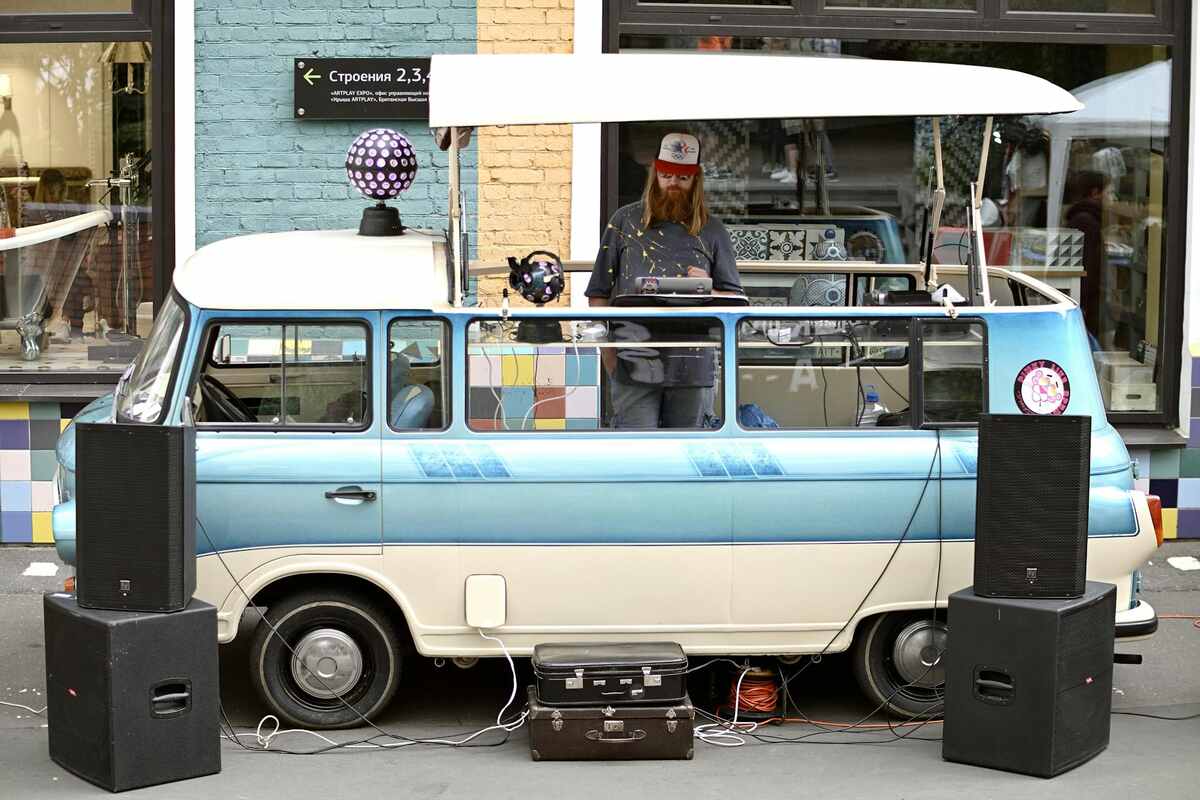
Most people start DJing long before they decide where they belong. They play house parties, mix at home, or take small gigs wherever they can. The real question comes later, when practice turns into intent and the choice between working as a mobile DJ vs. club DJ begins to shape how you spend your time, money, and creative energy.
How the Learning Curve Differs
Mobile DJs learn through repetition and structure. Events follow predictable formats, which forces you to understand timing, pacing, and audience psychology quickly. You learn how to recover from mistakes, adjust volume levels for different spaces, and manage energy across several hours.
Club DJs develop skills through musical depth. Mixing longer transitions, maintaining momentum, and reading subtle crowd reactions matter more. You learn how different tempos affect mood and how to build trust with an audience that didn’t come specifically for you.
Budget Realities for Beginners
Mobile DJ setups usually cost more over time, not upfront. You can start small, then add speakers, lighting, and backups as bookings increase. Each upgrade directly improves your earning potential, which makes growth practical for beginners.
Club DJs often spend less on equipment but more on time. Practising at home, networking, and playing unpaid or low-paid sets builds experience before income. Venues usually supply sound systems, reducing gear costs early on.
Music Freedom vs. Responsibility
Mobile DJs sacrifice some musical freedom for reliability. Clients expect familiar songs and smooth transitions between styles. The skill lies in keeping diverse crowds engaged without alienating anyone.
Club DJs enjoy more creative control but less certainty. You can shape a sound, explore genres, and build identity. Success depends on consistency and how well your style fits the venue’s audience.
Lifestyle and Long-Term Growth
Mobile DJ work suits people who value planning, earlier hours, and steady bookings. Club DJ life suits those comfortable with late nights, variable income, and gradual recognition. Many DJs move between both paths as confidence grows.
For most beginners, the decision between working as a mobile DJ vs. club DJ is not permanent. Skills transfer easily, and experience in one space strengthens performance in the other.
Making a Practical Choice
The best path depends on how you want to learn. Structured environments teach control and professionalism. Nightlife environments teach musical instinct and adaptability. Both are valid starting points in 2026.
What matters most is starting somewhere realistic, affordable, and aligned with your personality.