
From Wallflower to Showstopper: Easy Confidence Tricks for Non-Dancers
2026-02-04
Building a Brand in 2026: DJ Logos, Socials & Standing Out Locally
2026-02-19
Romantic events usually fail for technical reasons rather than creative ones. Valentine’s Event Essentials come down to how lighting, space, and sound interact once people start moving. When these elements work together, the room feels stable, which reduces hesitation and keeps guests engaged without needing constant intervention.
Lighting That Solves Practical Problems
Lighting works best when it stays flexible. Warm colour temperatures avoid harsh skin tones and reflective glare, while directional lighting preserves depth in the room. Full-room brightness removes contrast and makes spaces feel flat, so wall uplighting and controlled pools of light perform better. Dimmers matter because they allow gradual adjustment as the room fills and the pace of the evening changes.
Space Layout That Controls Movement
Layout decisions affect behaviour more than décor. Entrances should remain clear, and furniture placement should follow natural walking paths instead of interrupting them. Seating grouped in smaller clusters encourages conversation while leaving clear routes to the bar and dance floor. Open space is functional, not wasted, because it reduces congestion and keeps movement predictable.
Dance Floor Placement That Gets Used
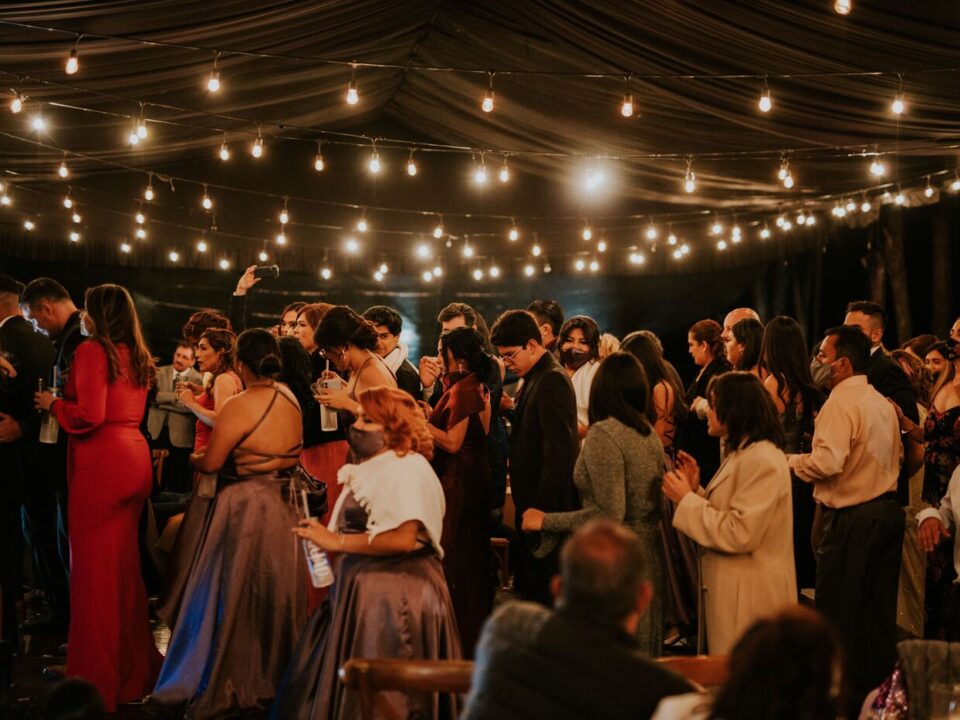
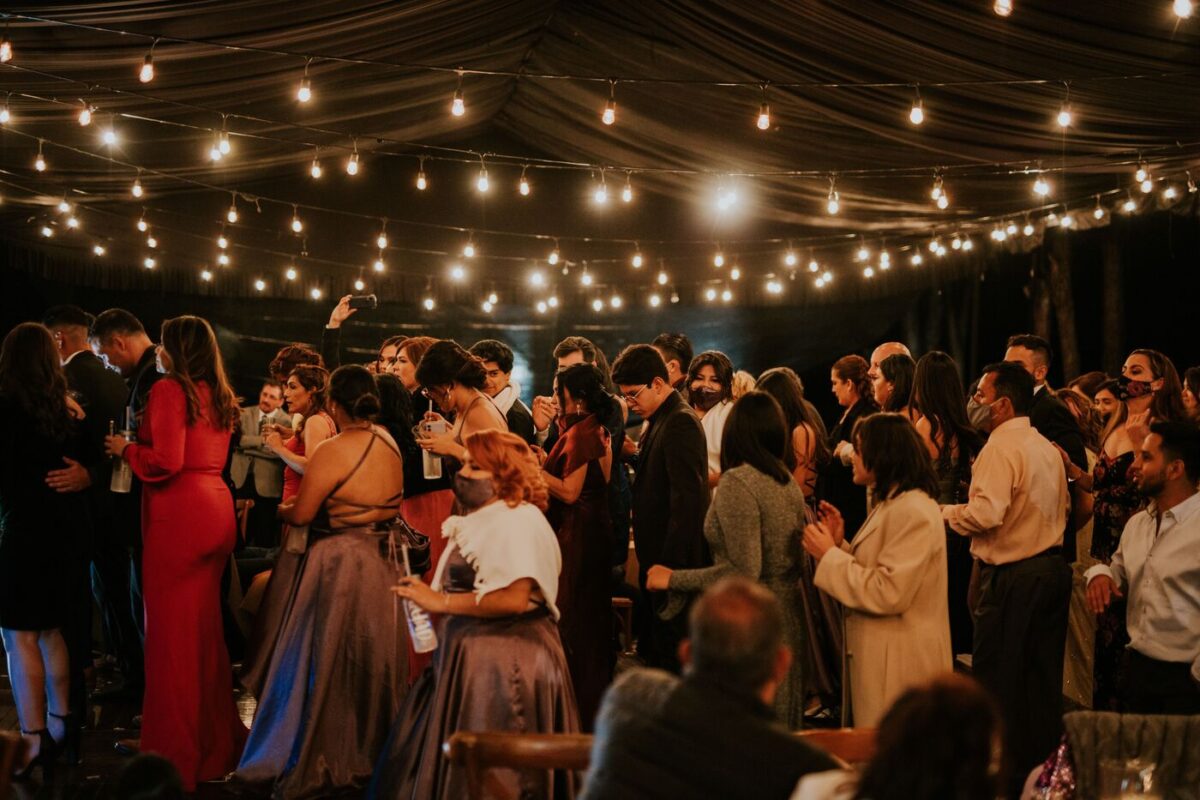
Dance floors succeed when they feel optional rather than imposed. Visibility helps, but central placement can make guests self-conscious, especially early in the event. Clear edges allow people to enter and leave without disrupting others, while some separation from seating prevents sound from overwhelming conversation areas.
DJ Setup That Supports the Room
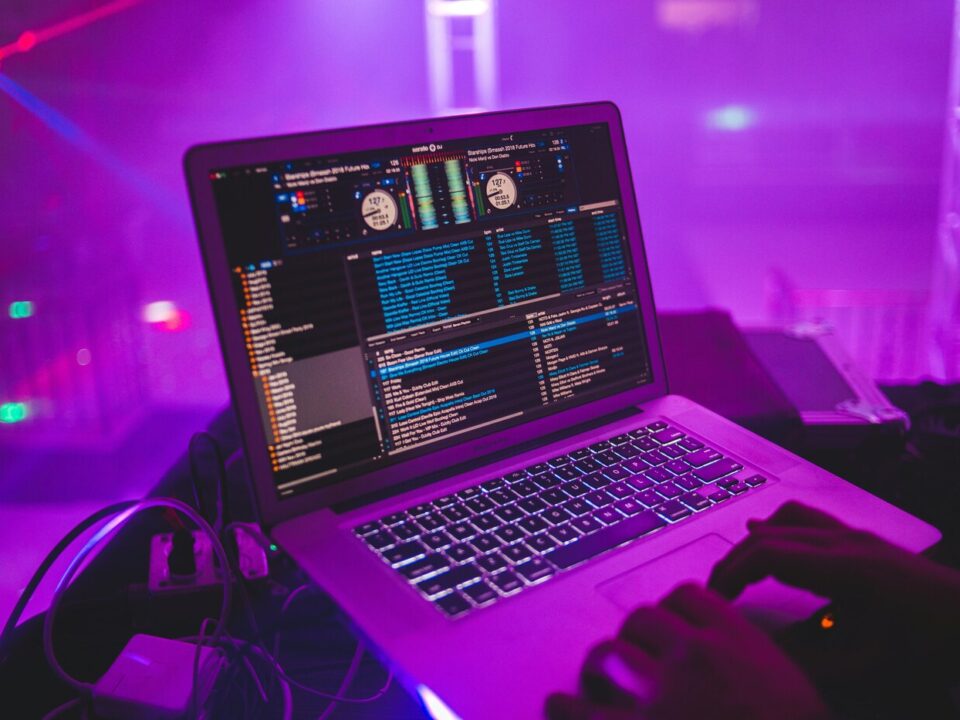
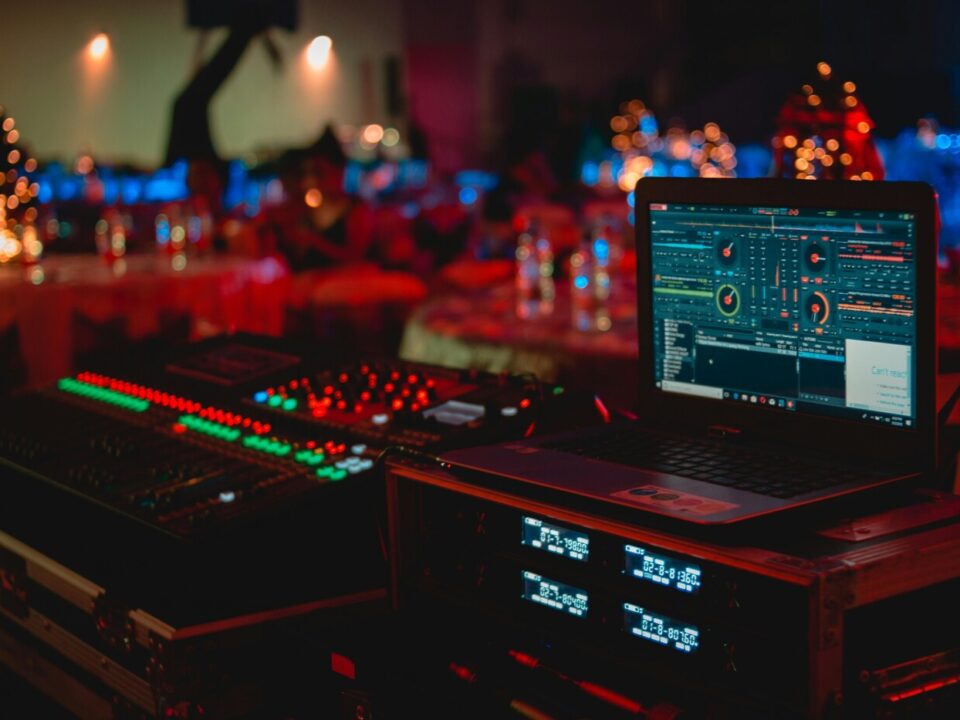
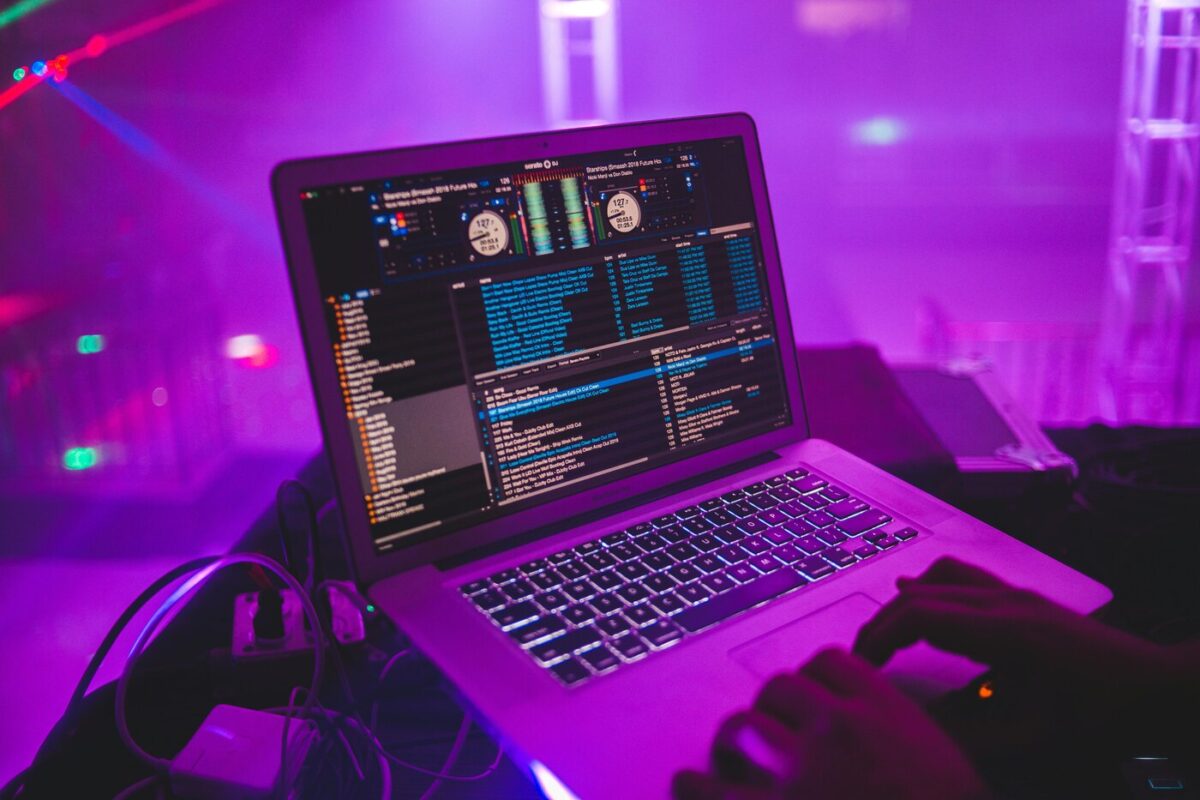
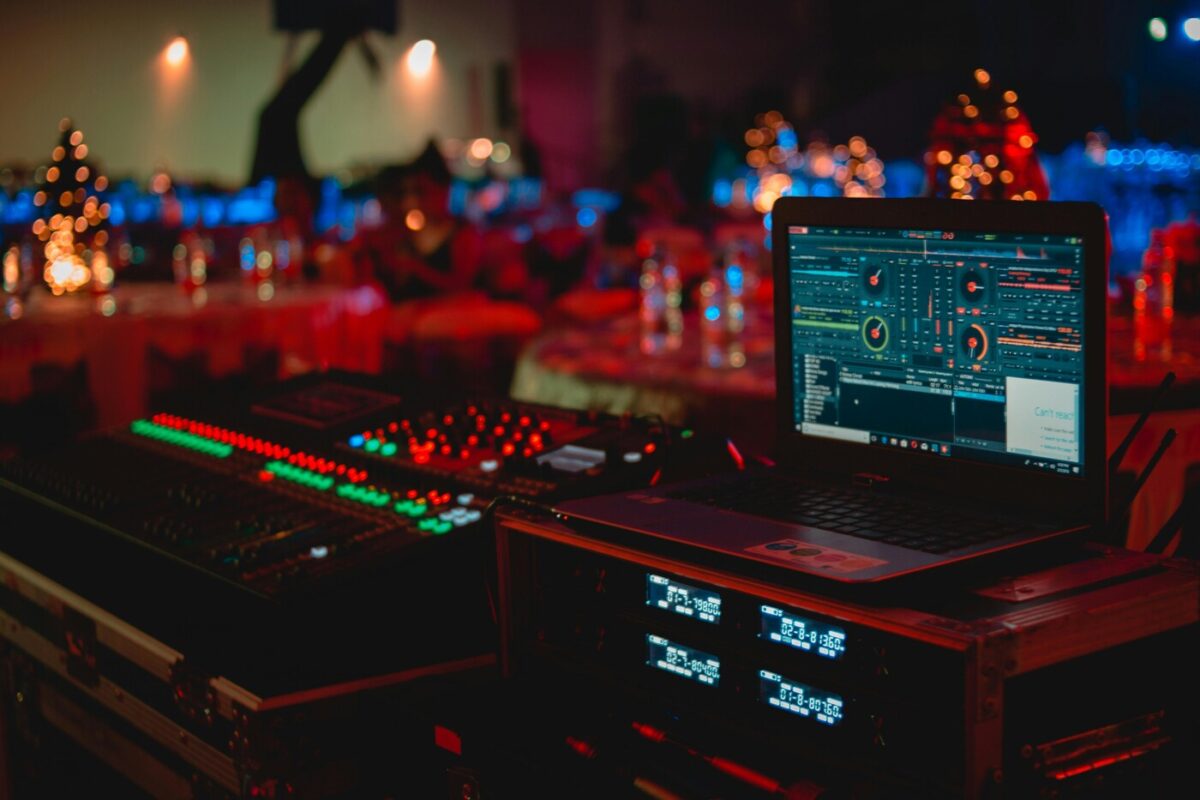
A DJ setup should blend into the room rather than compete with it. Sound coverage needs to stay even across the space instead of concentrating volume in one direction. Speakers aimed across the room reduce harsh hotspots, while booth placement outside main walkways prevents crowding. Tidy cabling and access to controls allow quick adjustments without disruption.
Timing and Transitions
Changes should happen gradually. Lighting levels and volume need to rise in steps rather than sudden shifts, which draw attention to the setup instead of the moment. Revisiting Valentine’s Event Essentials during the event usually means fine-tuning levels rather than changing direction.
Final Thoughts
When lighting, layout, and sound are handled properly, the event runs on momentum rather than correction. Guests respond to clarity and comfort, even if they never consciously notice why.