
How to Build the Ultimate DJ Do-Not-Play List and Avoid Awkward Requests
2026-03-22
How DJs Prepare for Busy Holiday Weekends
2026-04-02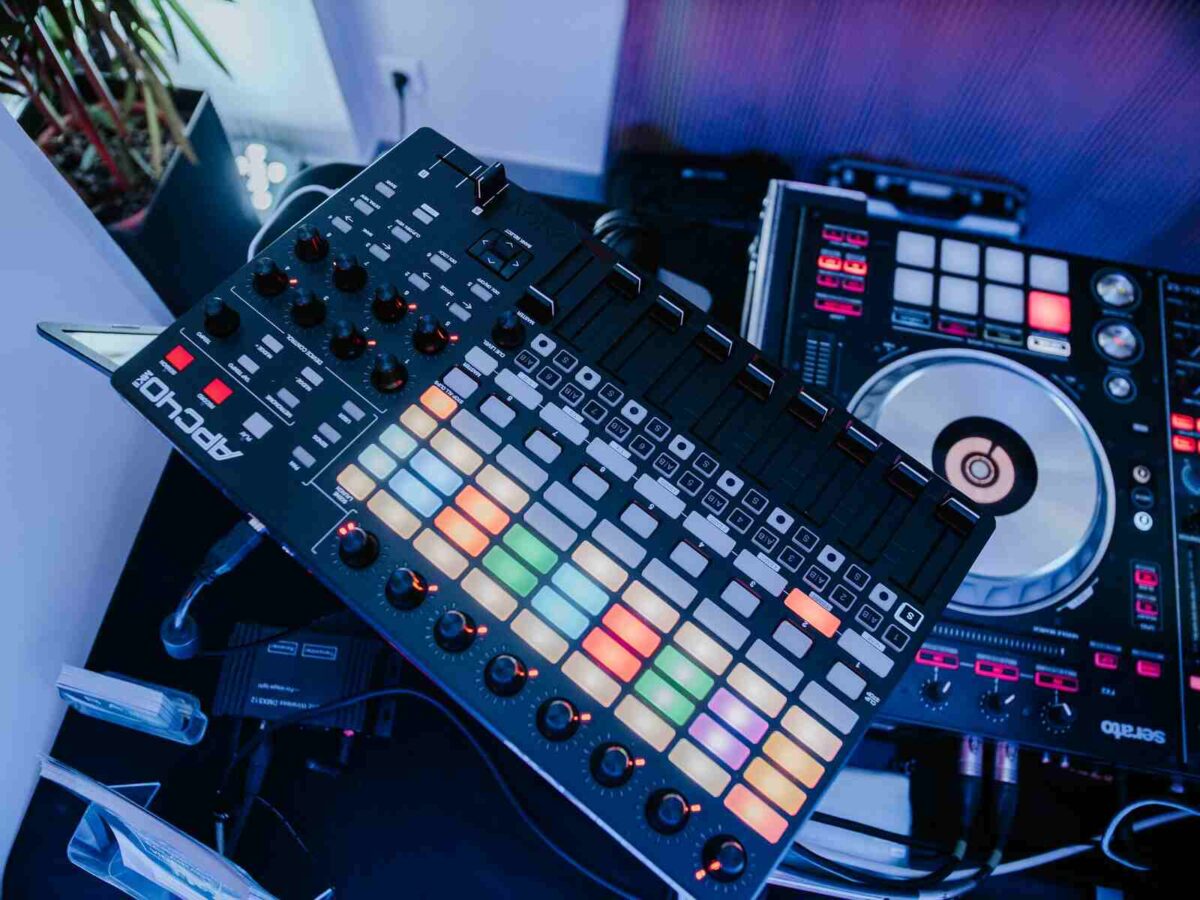
Hybrid DJ setups allow performers to combine traditional DJ mixing with live instruments, controllers, or production tools. Many DJs adopt this approach to create more flexible and expressive sets that go beyond standard track mixing. Learning how to build a hybrid DJ setup helps you combine gear, software, and workflow into a system that supports creative live performance.
Start with a Reliable DJ Foundation
Every hybrid setup should begin with dependable core DJ equipment. This might include a controller, CDJs, or turntables connected to a mixer. These devices handle track selection, beatmatching, and mixing, which remain the backbone of your performance. Once this foundation works smoothly, adding extra tools becomes much easier.
Add Controllers or Instruments for Live Elements
Hybrid performances often include drum pads, MIDI controllers, or small keyboards. These devices allow you to trigger samples, drum hits, or loops during a set. By layering these elements over tracks, DJs can build transitions, remixes, or live edits that make each performance feel unique.
Choose Software That Supports Flexible Performance
Software plays an important role in connecting everything together. Programs that support MIDI mapping, multiple decks, and external audio inputs work best for hybrid setups. Many DJs also rely on built-in looping, effects, and sampling tools to manipulate music live without interrupting the flow of the set.
Set Up Clean Audio Routing
A hybrid setup often involves multiple sound sources, so clear audio routing is essential. An audio interface helps manage inputs from controllers, instruments, and DJ decks. Separating channels for different elements keeps the mix balanced and prevents live sounds from overwhelming the main track.
Develop a Performance Workflow
A good hybrid setup supports a clear performance routine. DJs often plan when to trigger samples, add drum patterns, or manipulate loops during transitions. Practising these sequences helps everything feel natural during a live set and prevents technical distractions.
Test Everything Before Performing
Hybrid systems include more connections than a traditional DJ setup. Testing every device, cable, and channel before performing prevents surprises later. Small adjustments to levels, mappings, or effects can greatly improve stability and overall sound quality.
Putting Your Hybrid Setup to Work
Building a flexible performance system takes time, but the results can transform how DJs play live. Once you understand how to build a hybrid DJ setup, you can combine mixing, live sounds, and creative effects into a performance that feels far more dynamic than a standard DJ set.