
Essential Guide to DJ Contracts, Deposits & Cancellations for Beginners
2026-01-22
From Wallflower to Showstopper: Easy Confidence Tricks for Non-Dancers
2026-02-04
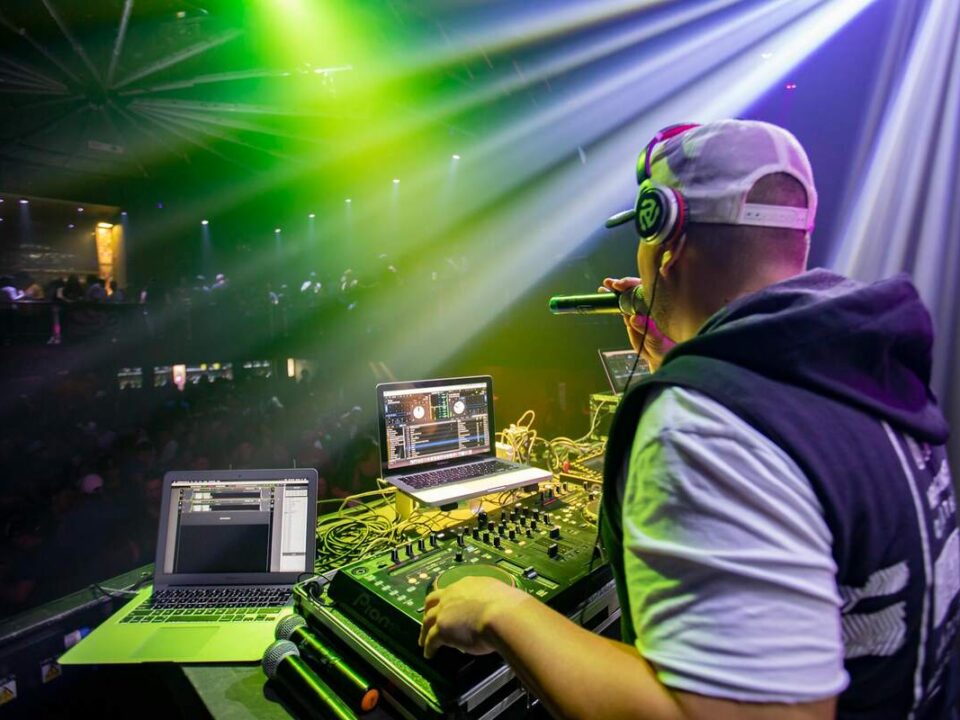
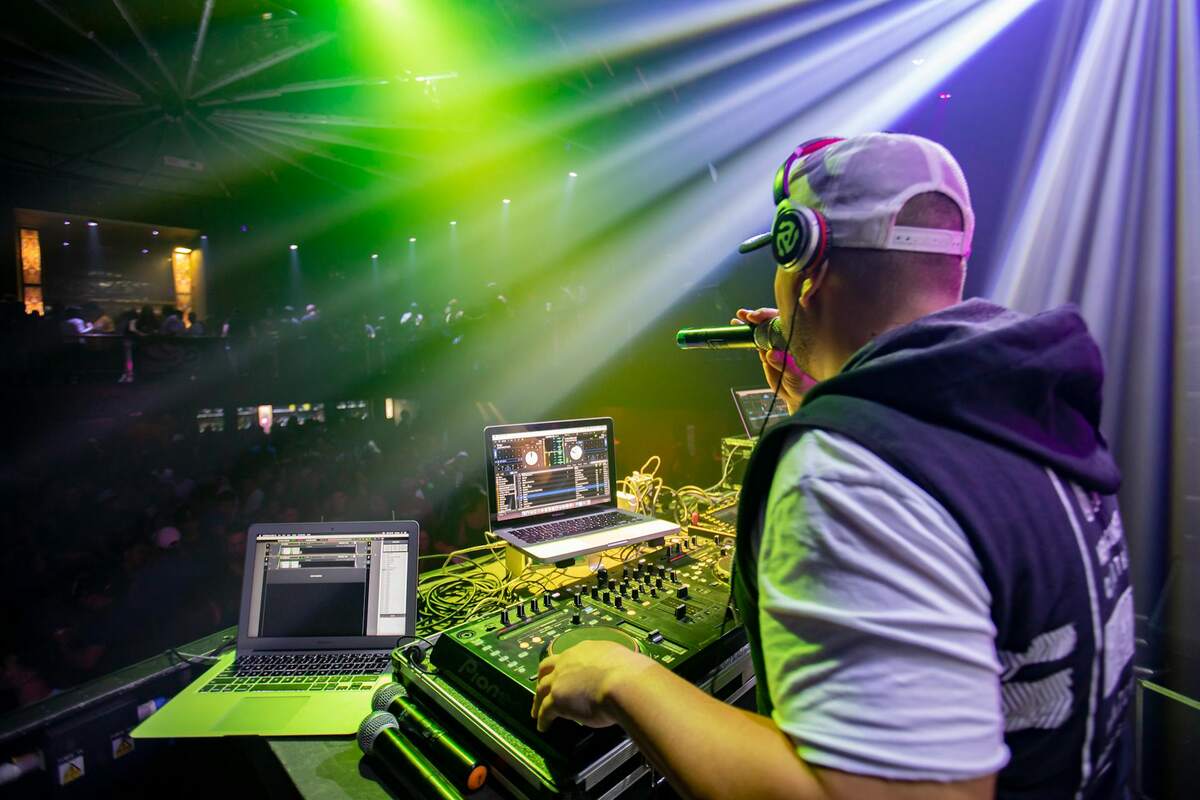
Successful DJs do more than select good tracks. Reading the crowd allows a DJ to interpret energy, attention, and movement in real time. This skill determines whether a set feels intentional or reactive. Rather than guessing, professionals observe patterns and respond with purpose, shaping atmosphere from the first track onward.
Understanding Crowd Energy Before the First Drop
Crowds communicate before they dance. Entry speed, bar traffic, and body orientation reveal readiness levels. A professional DJ reads these signals early and adjusts tempo accordingly. Starting too aggressively disconnects hesitant audiences, while slow builds waste peak moments. Correct pacing establishes trust before momentum matters.
Movement Patterns Reveal Musical Tolerance
Crowd movement shows what styles and intensities feel comfortable. Small head nods differ from full-body motion, yet both signal engagement. When movement spreads outward rather than clustering, energy stabilises. DJs who notice these shifts adjust phrasing and transitions to guide energy without forcing reactions.
Timing Changes Matters More Than Track Choice
Track selection alone rarely fixes disengagement. Timing determines impact. Shortening breakdowns during restlessness or extending grooves during collective motion keeps continuity intact. Mid-set decisions grounded in observation prevent energy drops that playlists often cause.
Reading Silence, Not Just Noise
Noise can mislead. Some crowds dance intensely without cheering. Others react loudly but disengage quickly. Watching exits, phone use, and spacing between dancers offers clearer insight. Reading the crowd means valuing behavioural cues over volume-based feedback.
Adapting Across Venues and Time Slots
Crowd literacy changes with context. Early slots require patience and restraint, while peak hours demand clarity and confidence. Outdoor events respond differently than dark rooms. DJs who adapt technique to setting maintain control without abandoning identity.
Turning Observation Into Instinct
Experience refines observation into instinct. The best DJs stop analysing consciously and respond fluidly. This skill grows through reflection, not repetition alone. Sets improve when decisions follow evidence rather than habit.
Mastering crowd reading separates functional DJs from trusted professionals. When awareness guides every decision, the dancefloor responds naturally and consistently.