

Mother’s Day Music Ideas for your playlist
2026-05-01
7 Ways to Choose the Right DJ for Your Wedding
2026-05-15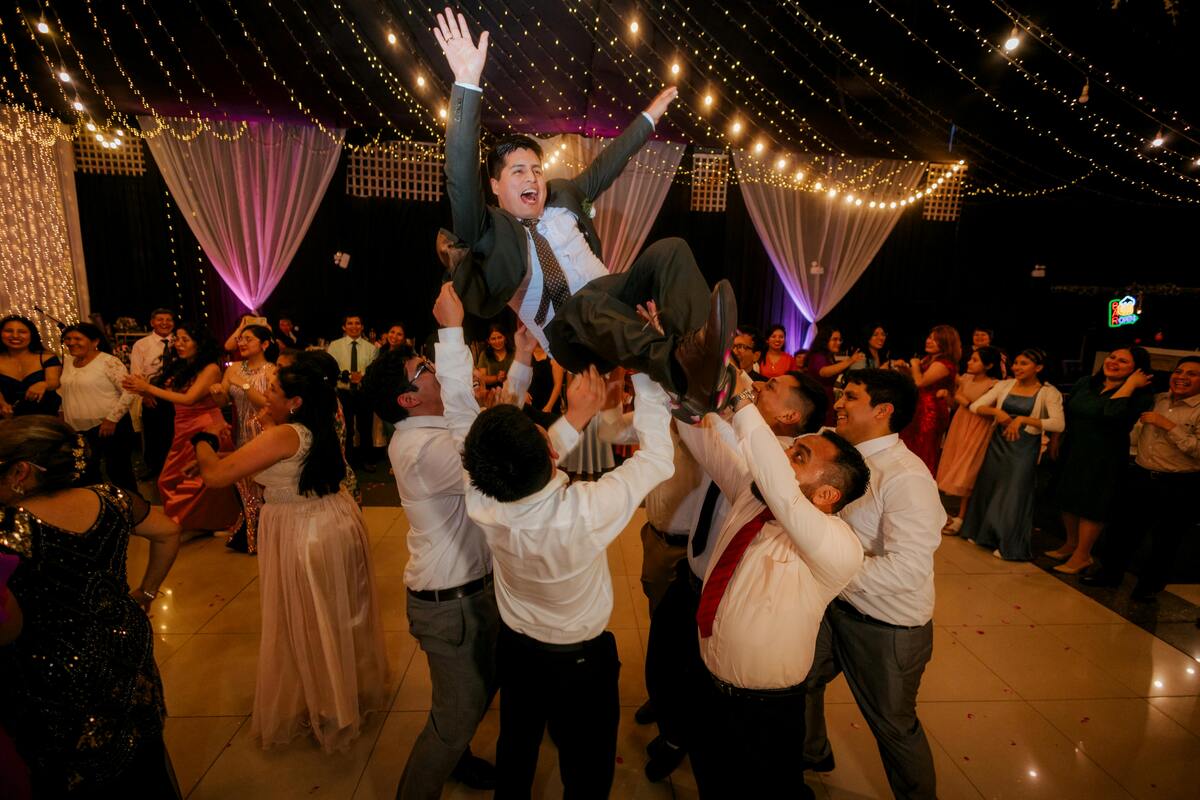
What actually makes a wedding dancefloor stay full all night? A packed wedding dancefloor is not random. It comes down to timing, reading people, and selecting music that resonates quickly. The real Secret to a Full Dancefloor at weddings lies in how energy is built and maintained, not in one perfect playlist. Most guests do not arrive ready to dance immediately. They warm up slowly, observe the room, and wait for a signal that it is safe to join in. That is where the DJ and music structure matter most.
How the first songs set the direction
The opening tracks decide whether people move or stay seated. A strong start does not mean loud music. It means familiar sound and emotional comfort. Genres like 80s pop, 90s R&B, and classic singalong hits work well early. People react because they already know the words. If the wedding crowd is younger, Afrobeats, soft deep house, or light Amapiano grooves can ease people into rhythm without pressure. The goal is not to peak early, but to pull guests closer to the floor. A weak start often creates hesitation that lasts the whole night. A strong start removes it.
Why crowd behaviour controls everything
Why do guests wait so long before they actually start dancing? Most people rarely want to be first. They wait for someone else to break the barrier. Once a few people start moving, the room shifts quickly. This is where the DJ must read body language, not playlists. Watching who taps feet, who nods to the rhythm, and who smiles at familiar songs gives clear signals. A single confident dancer can trigger a chain reaction. That moment matters more than any single track. Music choices should support that behaviour. For example, house remixes of well-known songs help bridge hesitation. Amapiano with a strong beat drop also works because it invites movement without forcing it. The dancefloor grows when people feel part of something already happening, not something they must start alone.
Building energy without losing control
What happens when the energy peaks too early at a wedding? A full dancefloor needs structure, not chaos. Energy must rise in stages. If it peaks too early, guests burn out and drift away. Mid-event is where the shift happens. This is where Afrobeats, commercial dance hits, and crowd favourites keep momentum alive. These tracks balance familiarity with rhythm. Later in the night, higher-energy genres like commercial EDM, tech house remixes, and uptempo Amapiano log drum tracks take over. At this stage, guests are already comfortable, so energy can push higher. A good DJ watches for dips. When energy drops, they reset with a familiar track instead of chasing intensity.
What actually keeps the floor full
A full dancefloor is not about one perfect moment. It is about consistency in decisions. Timing, song choice, and reading reactions all work together. The Secret to a Full Dancefloor at Weddings is simple in practice. Keep people comfortable, then gradually increase energy without forcing it. Once guests feel safe, they stay longer. That is what separates a quiet reception from a packed celebration that lasts until the final song.